Branded Merchandise That People Actually Keep
Share
A logo on a giveaway is easy. Creating branded merchandise people want to wear after the event, keep in their truck, or use at work every week takes better decisions. The difference usually comes down to product quality, decoration method, and whether the item has a real place in the recipient's life.
For businesses, teams, schools, and event planners, merchandise is not just a marketing line item. It is a visible extension of how your organization operates. A clean embroidered polo worn by staff says something different than a thin shirt that fades after a few washes. The same goes for a structured cap, a durable jacket, or a bag that can handle a daily commute.
What Branded Merchandise Is Really Meant to Do
The best merchandise has a job. It may identify employees on a job site, give a sales team a consistent look at trade shows, recognize a milestone, build pride around a sports program, or help customers remember where they got a great product or service. When the item is useful and well made, the branding stays in circulation.
That is why product-first planning matters. Start with the person receiving it, not the logo file. A landscaping crew needs workwear that can take dirt, weather, and repeat washing. A corporate office may need polished quarter-zips and polos for client-facing staff. A tournament organizer may want hats and tees that players will wear long after the final game. Each use calls for a different garment, fabric weight, fit, and decoration approach.
Cheap merchandise can look like a savings on paper, but it often has a short life. If the shirt twists, the cap loses shape, or the print cracks quickly, your brand goes with it. Durable pieces cost more upfront in many cases, yet they usually deliver more wear, more impressions, and a better reflection of your standards.
Choose the Item Before You Choose the Decoration
A logo can be embroidered, printed, patched, or applied in other ways. None of those options is automatically right for every product. The garment and the intended use should lead the decision.
Embroidery is a strong fit for polos, hats, jackets, fleece, work shirts, bags, and uniforms. High-density stitching gives a logo dimension and permanence that works especially well for business apparel. It holds up through regular use and creates a professional finish without making the garment feel like a disposable promotion.
Screen printing often makes more sense for larger artwork, event tees, bold front graphics, and designs with fine detail across a broad area. It can be an efficient option for volume orders, especially when the artwork uses a limited number of colors. The trade-off is that a large print may not suit every garment or every audience. A heavy chest graphic can be great for a concert shirt and less appropriate for a bank's employee uniform.
Patches offer another option for headwear and outerwear, particularly when you want texture or a more retail-ready look. They can add character to a simple cap or jacket, but the patch style needs to match the garment. A thick patch on lightweight fabric may pull or sit awkwardly. Details like this are why decoration should be planned with the product in hand, not treated as an afterthought.
Build Around Real Wear, Not Just the First Impression
A product photo matters, but the first wash matters more. Before placing an order, consider how the item will be used six months from now. Will your staff wear it twice a week? Will it live in a gym bag? Will it be handed out at an outdoor event in October? Those answers should shape the order.
Fabric is a practical starting point. Cotton can feel familiar and comfortable, while performance blends help manage moisture for active crews and athletic teams. Fleece weight affects warmth and structure. Outerwear needs to account for the season and the kind of work people do in it. There is no single best fabric, only the right fabric for the assignment.
Fit is equally important. A boxy unisex tee may work for a volunteer event, but a client-facing team may appreciate a fuller size range and better options across men's, women's, and youth styles. If the people receiving the gear feel comfortable in it, they are more likely to wear it. That sounds obvious, but it is one of the most common gaps in bulk apparel orders.
Color should work with both the logo and the job. Black hides wear and gives embroidery strong contrast, but it may be too warm for an outdoor summer crew. Light colors can look clean and approachable, though they may not hold up as well in industrial settings. Brand colors are worth honoring, but usability should win when the two are in conflict.
Keep the Logo Clear and in Proportion
Strong branded apparel does not need to shout. A logo that is too large, too detailed, or placed without regard for the garment can make a premium item look promotional. Clean placement and good proportion usually create a better result.
For embroidered left-chest logos, small details need special attention. Very thin lines, tiny lettering, and tight color shifts can disappear or fill in with thread. Simplifying the artwork is not cutting corners. It is adapting the design to a physical medium so the finished piece reads clearly from a normal distance.
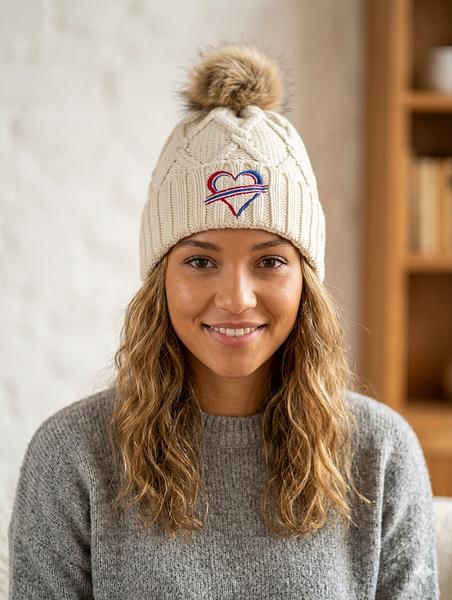
Headwear has its own rules. A design that looks excellent on a flat computer screen may need adjustment for the curve of a cap's front panel. Structured caps, knit beanies, and soft unstructured hats each handle decoration differently. The same is true for bags, sleeves, and jacket backs. A good setup accounts for the surface, not just the artwork.
If you are ordering for multiple departments or locations, establish a few approved logo uses early. Decide which version goes on polos, which works on hats, and when a full-color mark is necessary. This keeps future orders consistent and reduces the back-and-forth when a new manager needs gear fast.
Plan Quantities With the Next Order in Mind
Ordering too little creates unnecessary rush work. Ordering too much can leave you with boxes of sizes or colors nobody wants. The practical middle ground is to plan for current needs, a reasonable buffer, and the likelihood of staff turnover or seasonal hiring.
For uniforms, collect sizes before production whenever possible. Guessing based on a headcount creates leftovers in the wrong places. For customer giveaways or retail-style merchandise, use past sales, attendance estimates, and the audience profile to guide the size breakdown. A youth tournament and a corporate golf outing should not receive the same size curve.
It also helps to think in stages. Start with a core group of products that solve the immediate need: perhaps polos, hats, and outerwear for a service company, or tees and caps for an event. Once you see what people reach for, expand from there. A smaller, well-chosen assortment is often more effective than a large collection of forgettable items.
Make Local Quality Part of the Experience
There is value in knowing how your apparel is being made and who is handling the details. For Western New York organizations, working with a local embroidery partner can make approvals, reorders, and last-minute adjustments more manageable. It also gives you a real person to talk to when you need advice on garment choice, thread color, placement, or production timing.
At We Sew It Buffalo, the focus is on apparel and gear that look right when they leave the shop and continue to represent the customer well after that. That means paying attention to stitch quality, garment compatibility, and the practical details that determine whether an item gets worn or forgotten.
For Buffalo-focused retail pieces, the standard should be just as high. Hometown pride works best when the hat, hoodie, or tee feels like something worth buying even without the local reference. The design can carry the personality, but the product has to earn a place in someone's regular rotation.
A Better Standard for Every Order
Branded merchandise earns its value over time, one wear at a time. Choose products that fit the people receiving them, use decoration that suits the material, and avoid shortcuts that weaken the finished piece. When the gear is durable, comfortable, and properly finished, your logo does not feel like an interruption. It becomes part of the uniform, the event memory, or the everyday routine.