Buffalo Fashion Trends That Work Beyond Game Day
Share
Buffalo fashion trends are not built around runway moments. They are built for lake-effect wind, long workdays, packed stands, neighborhood bars, school events, and weekends that start cold and end colder. The look is practical, recognizable, and proud without needing to be loud. For local brands, teams, and businesses, that makes Buffalo style less about chasing a season and more about choosing apparel people will actually wear.
What Defines Buffalo Fashion Trends
The strongest Buffalo looks start with function. A heavyweight hoodie, structured cap, lined jacket, or durable quarter-zip earns its place because it can handle regular use. Then comes the local element: a clean Buffalo graphic, familiar colors, a team-inspired detail, or embroidery that gives a garment real presence.
That combination matters for custom apparel buyers. A thin promotional tee may be inexpensive up front, but it is rarely the piece employees keep in rotation. A quality fleece, work shirt, hat, or outerwear layer with well-executed embroidery can become part of someone’s regular wardrobe. It represents the company, club, or event long after the first handout.
Buffalo style also favors restraint. One strong embroidered logo on the left chest, a high-density patch on a cap, or a simple hometown mark on a heavyweight crewneck usually carries more value than a shirt crowded with slogans. The garment should look good at work, at the game, and on a Saturday morning coffee run.
The Core Pieces Showing Up Around Buffalo
Structured headwear stays on top
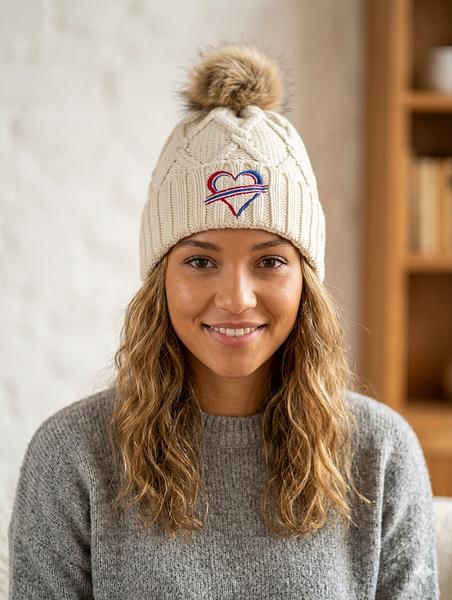
Fitted caps, snapbacks, trucker hats, and knit beanies are year-round Buffalo staples. They are useful, easy to size, and naturally suited to embroidery. For a company uniform or customer giveaway, headwear offers a strong return because it is visible from a distance and worn repeatedly.
The key is matching the hat to the use. A structured cap gives a cleaner, more professional look for field crews, golf outings, and corporate events. A washed cap feels more casual and works well for retail merchandise. Beanies make sense for construction teams, outdoor staff, winter leagues, and cold-weather promotions.
Embroidery quality is especially noticeable on headwear. Small text, loose fills, and low-density stitching can make a good cap look cheap. A properly digitized logo with clean borders and solid thread coverage holds its shape and gives the piece a retail-ready finish.
Heavyweight fleece earns its spot
Hoodies, crewnecks, and quarter-zips remain central to Buffalo wardrobes because the weather calls for layers most of the year. The current preference leans toward heavier fabrics, relaxed but not oversized fits, and colors that can take regular wear: black, charcoal, navy, heather gray, forest green, brown, and washed neutrals.
For businesses, a quarter-zip can read more polished than a hoodie while still providing warmth. It works for sales teams, property managers, hospitality staff, coaches, and employee recognition programs. A heavyweight hoodie has a more casual appeal and can be the right choice for a brewery, gym, trade crew, youth organization, or local retail drop.
There is a trade-off. Thick fleece costs more and takes up more storage space than lightweight apparel. It also needs the right embroidery backing and placement to avoid puckering. But when the goal is long-term wear rather than a one-day giveaway, the upgrade is usually worth it.
Workwear influence is growing
Buffalo fashion has always had room for workwear. Canvas jackets, chore coats, flannels, utility shirts, vests, and rugged outerwear fit the region’s industrial character without feeling like a costume. These pieces are especially practical for contractors, manufacturers, landscapers, logistics teams, and facility crews.
The best branded workwear keeps the decoration simple. A left-chest embroidered logo is the standard for a reason. It is clear, durable, and appropriate in front of customers. For jackets and vests, a larger back logo may make sense for crews who need visibility, but the front mark should still do the day-to-day branding work.
Color selection matters here. Dark garments hide jobsite wear better, while high-visibility colors can be required for safety roles. Do not choose a garment based on appearance alone. Consider wash frequency, job conditions, sizing range, and whether the employee will need to layer underneath it.
Buffalo Fashion Trends for Branded Apparel
Local pride and commercial branding can work together when the design has a clear job. A Buffalo-inspired retail hat can lean into bolder colors, vintage lettering, and city-specific graphics. A company uniform should lead with legibility, consistency, and the kind of garment that helps employees feel put together.
For branded apparel, start by deciding where it will be worn. A marketing director planning an employee event may want a premium crewneck that feels like a thank-you, while an HR coordinator ordering onboarding apparel may need a consistent polo-and-jacket program. A coach needs easy-care gear that can stand up to travel. A restaurant group may need embroidered caps that look sharp after repeated washing.
The Buffalo part does not need to mean a literal city graphic every time. It can show up through durable materials, familiar color palettes, weather-ready product choices, and a grounded design approach. The result feels local because it fits local life.
Choose embroidery when permanence matters
Embroidery is a strong fit for polos, jackets, hats, work shirts, quarter-zips, bags, and outerwear. It gives a logo texture and dimension that printed decoration cannot duplicate. High-density stitching also holds up well when garments are washed and worn often.
It is not the right answer for every design. Large artwork with fine gradients, photographic details, or oversized back graphics may be better suited to printing. Embroidery works best when the logo is simplified for thread, with clear shapes and enough space between small details. A skilled embroidery shop will flag problems before production instead of forcing a complicated logo into a poor result.
That is where quality separates a durable uniform from a disposable promotion. Thread color matching, proper stabilizer selection, clean digitizing, and placement all affect the finished piece. The lowest quote is not always the lowest cost if the garment looks worn out or distorted after a few washes.
Color Trends: Familiar, Wearable, and Easy to Reorder
Buffalo apparel rarely depends on one trending color. The practical winners are colors that work across seasons and can be reordered without making a uniform program look inconsistent. Black and charcoal stay reliable for workwear. Navy and royal blue feel familiar for teams and local pride. Cream, sand, and heather gray give retail pieces a softer, more current look. Red can add energy when used with control.
For companies, avoid turning every item into a full-color logo test. Two or three thread colors often look cleaner and cost less to reproduce consistently. For retail gear, a tonal embroidered mark on a washed black, olive, or natural cap can feel premium without requiring a large graphic.
Contrast still matters. Dark thread on a dark garment may look subtle in a product photo but disappear in person. If a logo needs to be recognized across a room or on a jobsite, choose thread and garment colors that separate clearly.
How to Build a Buffalo-Ready Apparel Order
A good order starts with the end user, not just the logo. Ask what the garment needs to survive, how often it will be worn, and whether it should feel like a uniform, a gift, or retail merchandise. Those answers narrow the options quickly.
For a dependable starting point, consider these four product categories:
- Embroidered caps or beanies for easy sizing and everyday visibility.
- Polos or quarter-zips for customer-facing staff and professional events.
- Heavyweight hoodies or crewnecks for teams, employee gifts, and local retail.
- Jackets, vests, or work shirts for outdoor crews and durable uniform programs.
At We Sew It Buffalo, the goal is not to chase a quick trend with a shortcut product. It is to produce apparel that looks right for Buffalo and keeps looking right after real use.
The best Buffalo style choice is usually the one people reach for without being asked: a warm layer, a solid cap, a clean logo, and construction that holds up through another Western New York season.