Company Store Setup Guide for Branded Apparel
Share
A company store should not feel like a warehouse catalog dropped onto a webpage. It should make it easy for your team to order branded apparel they will actually wear - from work polos and safety layers to hats, jackets, and event gear. This company store setup guide focuses on the decisions that keep ordering simple while protecting the quality of your brand.
For procurement teams, HR departments, and business owners, the goal is straightforward: approved gear, consistent decoration, less back-and-forth, and products that hold up after real use. A well-built store can do all of that, but only if the product selection and ordering rules are set before the store goes live.
Start With the Store's Job
Before choosing apparel, decide what the store needs to accomplish. A company store built for new-hire uniforms needs a different setup than one for employee recognition, a seasonal golf outing, or a multi-location field team.
Most stores serve one of three purposes: controlled uniform ordering, employee-paid branded merchandise, or company-funded distribution. Some do all three. That is workable, but it requires clear categories and permissions so a manager ordering winter workwear does not have to sort through employee giveaway items.
Define who can shop, who pays, and who approves orders. If employees receive an annual apparel allowance, establish whether the balance is managed with a code, a reimbursement process, or a preset product selection. If departments have separate budgets, decide whether each group needs its own collection or a different ordering workflow.
The more decisions your team makes up front, the fewer exceptions your store manager will need to solve later.
Build Your Company Store Setup Around Real Use
The right apparel is not always the lowest-priced option. A polo that pills after a few washes, a cap with weak structure, or a jacket that cannot handle a Buffalo winter costs more than it saves when your team stops wearing it.
Start with the environment. Office staff may need polished polos, quarter-zips, and outerwear suitable for customer-facing work. Crews working outdoors may need heavyweight hoodies, moisture-wicking tees, durable work shirts, insulated jackets, and high-visibility options. Restaurants, medical offices, schools, and athletic programs all have their own practical requirements.
A focused opening catalog usually performs better than a huge assortment. Offer enough choice for fit, season, and job function, but avoid giving employees ten nearly identical polos. Too many options slow decisions and make inventory planning harder.
A useful core collection often includes:
- A dependable short-sleeve polo in men’s, women’s, and extended sizing where available
- A long-sleeve layer such as a quarter-zip, crewneck, or performance shirt
- A hoodie or jacket chosen for the actual work environment
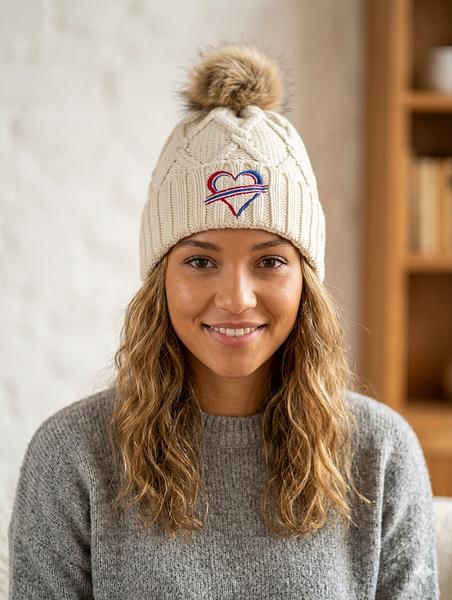
- A structured cap or knit beanie for teams that use headwear
- A basic T-shirt for events, casual uniforms, or high-volume programs
Choose Decoration That Matches the Garment
Your logo should look right on the product, not merely fit into the available space. Embroidery is a strong choice for polos, hats, jackets, workwear, and professional uniforms because it creates a textured, durable mark. High-density stitching gives a logo presence that printed decoration often cannot match on these items.
That said, embroidery is not the answer for every garment. Large designs on lightweight performance fabric can pull or add unwanted weight. Fine type and tiny details may need to be simplified so the design remains clean at an embroidered size. A good setup considers logo size, placement, thread colors, and garment weight together.
Keep approved decoration locations limited. Left chest embroidery is a standard for a reason: it is professional, easy to repeat, and works across most apparel. Hat fronts, jacket sleeves, and back yokes can be excellent secondary placements when they support the purpose of the item. A different location for every product makes the catalog feel inconsistent and complicates production.
Organize the Store for Fast Ordering
A shopper should be able to find what they need in a few clicks. Organize collections by how people think, not by internal purchasing terminology. Categories such as Polos, Outerwear, Headwear, Workwear, New Hire Essentials, and Event Gear are clearer than supplier-based groupings.
For larger organizations, separate collections can make the store more useful. A field operations collection may include durable layers and safety-friendly options, while a corporate collection may focus on polished polos, quarter-zips, and executive outerwear. If multiple divisions have different logos, keep each logo program clearly separated to prevent accidental ordering.
Product pages need the details that reduce questions before they happen. Include fit notes, available colors, size range, material, care guidance, logo placement, and whether the item is made to order. If an item runs small or has a more athletic fit, say so directly. Returns become difficult when decorated apparel is produced specifically for the buyer, so accurate sizing information matters.
Use product photography that makes the garment easy to evaluate. A front view, close-up of the embroidery area, and a clear color representation are more valuable than overly styled images. Your team is trying to order for work, not guess what a product might look like.
Set Approval Rules Without Creating a Bottleneck
Approval controls are valuable when brand consistency or budgets matter. They become a problem when every routine polo order waits days for a response.
A practical approach is to pre-approve standard items and only require review for exceptions. For example, employees can order from the core catalog without approval, while custom names, department-specific logos, new garment styles, or large quantity orders go through a manager. This keeps daily ordering moving while still protecting the brand.
If names or job titles are available, establish one format. Decide whether names are first name only, first and last name, or last name with an initial. Confirm capitalization, title rules, and placement before launch. Small inconsistencies are highly visible on uniforms.
Set a process for new logo requests as well. A company store works best when it is not treated as an open design portal. New logos, sponsor marks, campaign graphics, and special-event art should be reviewed before they enter the catalog. That protects both the artwork and the production timeline.
Plan for Inventory, Lead Times, and Reorders
There are two common ways to run a store. A made-to-order model offers broad sizing and color flexibility without carrying every product in advance. It is ideal for ongoing employee orders, but shoppers need realistic production and shipping expectations.
A stocked model works well for frequently issued uniform pieces, onboarding kits, and time-sensitive programs. It can shorten fulfillment time, but it ties up budget and requires someone to monitor sizes, discontinued items, and seasonal demand. Many companies use a hybrid approach: stock the items everyone needs and produce specialty pieces as orders arrive.
Do not build a store around products that are likely to disappear after one season. Apparel availability changes, colors are retired, and popular styles can go on backorder. Select dependable core products and keep a backup option approved for each major category. When a polo or jacket is no longer available, a pre-approved substitute prevents a scramble.
For recurring programs, review the store quarterly. Look for slow-moving items, common sizing issues, repeated special requests, and products that are no longer performing. A company store should improve over time, not become a cluttered archive of old campaigns and retired garments.
Make Launch Day Easy for Employees
The best store setup can still fail if employees do not understand what it is for. Keep the launch message short and practical. Tell them who can order, what they can order, whether there is an allowance or discount code, expected turnaround time, and where to get help with sizing or special requests.
If uniforms are required, make the required pieces obvious. If the store is voluntary, show the products that make the strongest first impression: the everyday polo, the core hat, the team hoodie, or the jacket suited to the season. A few dependable choices encourage participation more effectively than a crowded catalog.
For Buffalo-area teams, outerwear deserves special attention. A branded lightweight jacket may work for spring and fall, but it is not a substitute for insulated gear when crews are outside in January. Match the product to the conditions your team actually faces.
Keep Quality Visible in Every Order
A company store is an extension of your brand, whether the item is worn at a jobsite, trade show, customer meeting, or weekend event. Consistent thread colors, clean logo placement, durable garments, and accurate sizing all influence how employees feel about wearing the gear.
At We Sew It Buffalo, the standard is simple: branded apparel should be made to last, not treated like a disposable giveaway. Start with a tight product line, clear ordering rules, and decoration built for the garment. When employees receive gear they trust, the store becomes part of the team instead of another system they have to work around.