How to Choose Fan Headwear That Holds Up
Share
A good fan hat gets worn hard. It rides in the car, gets passed around at tailgates, sits under stadium lights, and becomes the piece people reach for when they want to show their colors. Knowing how to choose fan headwear means looking past the front logo and buying for comfort, durability, and a design people will actually wear again.
For a company order, booster club, tournament, or Buffalo-inspired retail collection, headwear has to do more than look good in a product photo. The right style needs to fit the audience, hold a clean embroidered design, and keep its shape after a full season of use.
Start With Where and How It Will Be Worn
Fan headwear is not one product category. A structured snapback for a local sports bar crowd serves a different purpose than knit beanies for a winter charity run. Before choosing colors or artwork, decide what job the piece needs to do.
A baseball cap is the reliable all-around option. It works for employee appreciation, youth teams, corporate golf outings, fan shops, and event giveaways when the budget supports a quality build. Adjustable backs make caps easier to distribute because one size can fit most adults without creating a complicated size run.
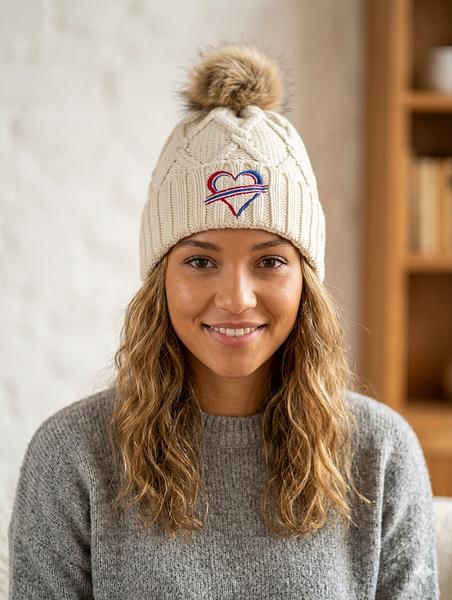
Beanies make more sense when weather is part of the experience. In Western New York, that matters for fall games, outdoor crews, winter fundraisers, and holiday merchandise. A cuffed knit beanie also provides a strong embroidery area on the front cuff, which gives a logo a clear, intentional presentation.
Visors work best for warm-weather events, golf, tennis, and active fan groups. Bucket hats bring a more casual, fashion-driven look and can be a fit for summer promotions or younger retail audiences. They are not always the best choice for detailed embroidery, though, because the crown construction and softer fabric can limit how crisp a design appears.
The key is simple: match the hat to the setting before you match it to the artwork. A style that fits the occasion will get worn. A style chosen only because it is inexpensive often ends up in a closet.
How to Choose Fan Headwear by Fit and Profile
Fit affects perceived quality immediately. Even a well-stitched logo can look off if the cap sits too high, too shallow, or too stiff for the person wearing it.
Structured caps have reinforced front panels that maintain their shape. They are a strong choice for bold logos, team marks, block lettering, and high-density embroidery because the front provides a stable surface. A mid-profile structured cap is usually the safest option for broad groups. It has enough crown height for a polished look without feeling oversized.
Unstructured caps have a softer crown and a more broken-in appearance. They are popular for lifestyle apparel, brewery-style merchandise, casual company gear, and Buffalo streetwear. They feel relaxed, but the front panel may not support very dense or oversized embroidery as well as a structured cap. That is not a flaw - it is a design trade-off. Use simpler artwork and let the hat's softer style do the talking.
Low-profile caps sit closer to the head and tend to appeal to buyers who prefer a cleaner, less traditional fit. High-profile caps create a taller crown and a more noticeable silhouette. They can work well for flat-brim styles and larger front designs, but they are more style-specific. If the order is for a mixed employee group or a large public event, mid-profile usually brings the fewest fit complaints.
Closure matters, too. Snapbacks are durable and familiar, especially for team and retail applications. Hook-and-loop closures are easy to adjust but can collect lint and may feel less premium over time. Metal slide buckles and fabric straps offer a more refined finish on relaxed caps. For cold-weather headwear, stretch-knit construction is usually the practical answer, but check that the beanie has enough recovery to hold its fit after repeated wear.
Choose Fabric for the Season and the Decoration
Fabric controls comfort, performance, and how well the finished decoration holds up. Cotton twill remains a dependable cap fabric because it is comfortable, recognizable, and embroidery-friendly. It is a practical choice for everyday branded headwear and retail pieces that need a classic look.
Polyester and performance blends are better for heat, sweat, and active use. Coaches, outdoor staff, running events, and summer tournaments often benefit from moisture-wicking materials. Keep in mind that lightweight performance fabrics can be thinner or more flexible, so they may require a backing or an adjusted stitch approach to prevent puckering around the logo.
Wool blends and acrylic-wool caps offer a more substantial feel and can make a retail hat look more premium. They are often a good match for structured, sports-inspired designs. For beanies, acrylic is warm, colorfast, and widely used, while fleece-lined options add comfort for true cold-weather wear.
Do not assume a heavier fabric is always better. A thick cap can feel premium, but it may be too warm for a summer festival. A lightweight performance cap can be ideal for an outdoor event, but it may not deliver the same retail-ready structure as a traditional twill hat. Choose based on the actual use case, not just the sample in hand.
Make the Logo Work With the Hat
The front embroidery is usually where a fan hat earns its keep. A strong logo should be readable from a few feet away, centered correctly, and sized for the available panel. This is where decoration quality separates a hat people keep from one that feels like a rushed giveaway.
High-density stitching can give block letters, simple icons, and bold team-inspired marks real depth. It works especially well on structured caps and beanie cuffs. But more stitches are not automatically better. Tiny type, fine outlines, gradients, and complex artwork can become crowded in thread. When a design is too detailed, simplifying it usually produces a better finished piece.
Consider the color contrast before approving a hat. Dark thread on a dark cap may look subtle in person but disappear from a distance. A white or light-colored mark on a navy, black, or charcoal cap is often easier to read. For Buffalo-themed gear, strong color combinations can carry hometown pride without needing an oversized design.
Placement is another decision with real consequences. Front-center embroidery is the standard for a reason: it is visible, balanced, and easy to recognize. Side embroidery can add a premium detail, such as an event year, company initials, or a small secondary mark. Back embroidery works best for short wording, websites are unnecessary on fan gear, or a small identifier. Keep it clean. Too many decorated areas can make a hat feel busy and increase the cost without improving wearability.
For large orders, approve a sewn sample before the full run. A digital proof confirms layout and colors, but it cannot fully show thread density, panel tension, or how the design interacts with the fabric. A physical sample gives you a chance to catch problems before they become hundreds of hats.
Plan the Order Around the Audience
The best fan headwear program usually offers one dependable core style rather than too many choices. If you are outfitting staff or building an event package, a quality adjustable cap in two color options can cover most needs. If you are stocking a retail collection, adding a relaxed cap or cuffed beanie can give buyers a different look without making the assortment confusing.
Think about who receives the hat. Employees may value comfort and a professional appearance. Coaches and team supporters may want durable performance materials. Retail customers may care more about fit, trend, and a distinct local design. A headwear choice that feels right for one group can miss the mark for another.
Budget should account for the whole finished product: cap quality, decoration count, stitch complexity, setup, and quantity. The lowest-priced blank is rarely the best value if it loses shape, has inconsistent sizing, or cannot support clean embroidery. A dependable cap with a well-executed front design protects the brand printed on it - or, in this case, stitched into it.
At We Sew It Buffalo, that standard starts with selecting headwear that can handle quality embroidery instead of forcing a good design onto a poor base. The result is gear that looks right on game day and still looks right months later.
Choose a style people will want to put on before they leave the house, then give it a design built to last. That is how fan headwear becomes part of the routine, not just part of the event.