Puff Embroidery Versus Patches for Workwear
Share
A hat can carry a logo for years, or it can look tired after one busy season. That difference often comes down to decoration method, garment choice, and how the design is built. When comparing puff embroidery versus patches, the right answer is not simply about price. It is about the finish your brand needs, where the item will be worn, and how hard it will work.
For company uniforms, retail headwear, team gear, and event apparel, both options can produce a premium result. They just do it differently. Puff embroidery creates stitched dimension directly on the garment. Patches create a separate branded piece that is attached afterward. Each has a clear place in a quality custom apparel order.
What Puff Embroidery Does Best
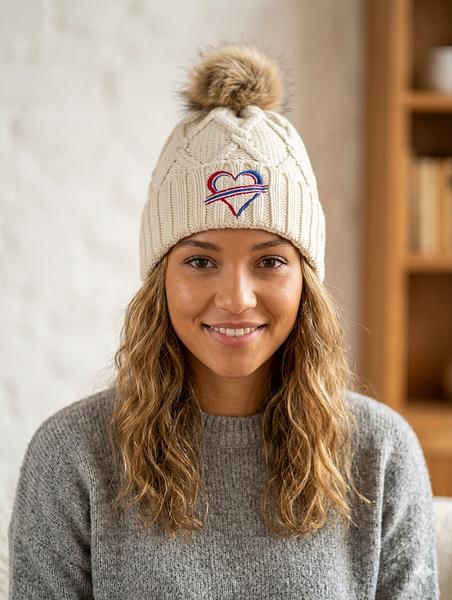
Puff embroidery uses a layer of foam beneath the stitching to raise the design above the fabric. The result is a bold, three-dimensional finish with real texture. It is especially popular on structured caps, flat-brim hats, beanies, jackets, and heavyweight sweatshirts where a logo needs to stand out without looking oversized.
The best puff designs are simple and confident. Block letters, numbers, outlined shapes, and strong icons usually stitch cleanly. The foam needs room beneath the thread, so tiny details, thin type, gradients, and intricate artwork are usually better suited to flat embroidery or another decoration method.
Puff embroidery is stitched directly into the item. There is no patch edge, adhesive layer, or added attachment step. On the right garment, it feels built in rather than applied. That makes it a strong fit for businesses that want polished branded headwear, coaches building a sharp sideline look, or Buffalo fans who want a raised logo with real presence.
There are limits. A soft, unstructured cap may not support crisp puff as well as a structured cap. Very stretchy materials can distort the design. Puff also is not ideal for every logo, particularly designs with small registration marks, fine script, or detailed artwork packed into a small space.
What Patches Do Best
Patches offer flexibility that direct embroidery cannot always match. A patch can be embroidered, woven, printed, PVC, leather, faux leather, or made from other materials depending on the look and use case. It is produced separately, then sewn, heat-applied, or attached with a hook-and-loop backing.
For a logo with fine lines or small lettering, a woven patch can deliver detail that puff embroidery cannot reproduce. For a workwear program, a durable embroidered patch can give uniforms a traditional, established appearance. For an event, patches can also work well when the same emblem needs to be placed across several garment types.
Material choice changes the message. An embroidered patch has texture and a classic uniform feel. A woven patch is flatter and sharper for detailed art. Leather and faux-leather patches create a clean, premium look on hats, outerwear, and lifestyle merchandise. PVC works well when water resistance and bold color are priorities.
The trade-off is that a patch is still a separate component. The edge is visible by design. That is often part of the appeal, but it may not suit a brand that wants decoration to feel fully integrated with the garment. Application method matters, too. Sewn patches are highly secure, while heat-applied patches need the right material, temperature, and care to stay firmly in place.
Puff Embroidery Versus Patches: Key Differences
Look and brand presence
Puff embroidery creates height. It catches light, adds texture, and makes a simple logo feel more substantial. It is a strong choice when the garment itself should look premium from across a room, especially on caps and heavyweight pieces.
Patches create contrast. Their border, material, and shape become part of the design. That makes them useful when you want a badge-style appearance, a heritage feel, or a distinctive material like leather. If your logo already resembles a crest, badge, or label, a patch often feels natural.
Artwork and detail
Puff needs clean artwork with enough open space for raised stitching. The more compact and detailed the logo, the more likely it is that puff will lose clarity. Flat embroidery may be a better direct-to-garment alternative when the logo includes smaller elements.
Patches give more room for detailed reproduction, particularly woven and printed options. A marketing department with a complex mark, several fine lines, or small text may get a cleaner result through a patch. The patch format also allows for custom shapes that would be difficult to stitch directly.
Durability and wear
Well-produced puff embroidery is durable because the thread is sewn through the garment. It handles normal use, regular wear, and laundering well when the apparel is appropriate for embroidery. The raised finish can flatten somewhat over time if it is heavily compressed, but quality stitching remains secure.
A sewn patch is equally dependable for demanding uniforms, work jackets, and bags. Heat-applied patches can also perform well, but they are more dependent on proper application and garment care. If the gear will see industrial washing, constant friction, or outdoor use, discuss the use case before choosing an attachment method.
Cost and order planning
Neither option is automatically the cheaper choice. Puff embroidery has digitizing, stitch count, and run-time considerations. Patches have setup, material, border, and attachment costs. A small order may favor one route, while a larger uniform program may favor another based on production efficiency.
Patches can be useful for ongoing programs because the patch itself may be produced in quantity and applied to different garments over time. Puff embroidery is often more direct when the same logo will be stitched onto a consistent style of cap or apparel. The best value comes from selecting a method that suits the artwork and intended use, not from choosing the lowest initial number.
Best Uses for Each Option
Puff embroidery performs especially well on structured trucker hats, fitted caps, snapbacks, knit beanies, varsity-style jackets, and premium sweatshirts. It works best for bold company initials, athletic numbers, short names, and simplified logos. A construction company outfitting foremen, a restaurant creating staff hats, or a local brand building retail-ready headwear can all benefit from the raised finish.
Patches are often the stronger choice for service uniforms, outerwear, bags, detailed club logos, commemorative items, and merchandise with a badge-style design. They are practical when a business wants the same logo on polos, jackets, hats, and gear bags but needs the artwork to remain consistent across varied materials.
For team orders, think about the role of the item. A raised team wordmark on a cap has energy and visibility. A patch on a coach's jacket or equipment bag can look organized and official. For retail Buffalo gear, either can work: puff brings the statement, while a well-made patch brings the collectible, heritage feel.
How to Choose Before Production
Start with the logo, not the decoration trend. If the artwork is bold and simple, puff may be an excellent fit. If it has fine text, thin lines, or detailed graphics, a patch may preserve the design better. Then look at the garment. Structured headwear and stable fabrics are friendlier to puff, while patches can adapt to a wider range of products.
Next, consider how the item will be used. Office apparel, hospitality uniforms, outdoor workwear, fan merchandise, and one-day event pieces all have different demands. A hat that will be worn casually can prioritize visual impact. A uniform jacket used daily should prioritize secure construction and long-term wear.
Finally, request a recommendation based on the actual art and garment, not a generic sample photo. At We Sew It Buffalo, production decisions are based on how the design will stitch, how the material will hold up, and what the finished item needs to communicate. That is how a branded piece goes from acceptable to worth wearing.
Choose puff embroidery when you want bold dimension built directly into the garment. Choose patches when your artwork needs detail, material contrast, or badge-style flexibility. The right method should make your logo look intentional from the first wear through the hundredth.