Custom Embroidery vs Patch Hats for Your Brand
Share
A hat gets handled more than most branded apparel. It is worn through weather, tossed into trucks, packed for events, and seen at eye level all day. That makes the custom embroidery vs patch hats decision more than a design preference. It affects durability, brand perception, production options, and how well your logo reads from across a room.
For company uniforms, team gear, retail merchandise, and event hats, both methods can deliver a premium result. The right choice depends on your artwork, hat style, order size, and the job the hat needs to do after it leaves the shop.
Custom Embroidery vs Patch Hats: The Core Difference
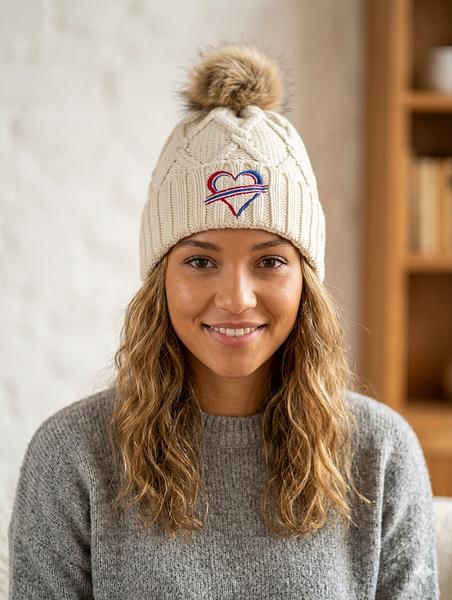
Direct embroidery stitches your logo or artwork straight into the hat fabric. The thread becomes part of the cap itself, creating a raised, textured finish that is built to stay put. It is a familiar choice for workwear, golf hats, service teams, clubs, and any program where a clean, established look matters.
A patch hat uses a separate emblem that is applied to the front, side, or back of the cap. The patch may be embroidered, woven, printed, leather, faux leather, PVC, or another material. This approach creates contrast between the patch and the hat and gives a brand more room to use fine details, unusual shapes, or a different material feel.
Neither option is automatically better. A sharp one-color logo on a structured trucker cap may look excellent as direct embroidery. A detailed badge with tiny type, a skyline, or a multi-color illustration may be stronger as a woven or printed patch.
When Direct Embroidery Is the Better Fit
Direct embroidery is the workhorse choice for commercial headwear. It has visual weight, holds up well to routine wear, and gives even a simple logo a finished, professional presence. High-density stitching is especially effective when you want branding that looks substantial rather than promotional.
For uniforms, direct embroidery is often the practical call. A landscaping crew, construction company, restaurant team, auto shop, or sales staff can wear embroidered hats repeatedly without worrying about a separate emblem lifting or catching at the edges. Thread colors can also be selected to match a brand closely, provided the artwork is designed with embroidery in mind.
Simple artwork performs best. Bold lettering, clean icons, and designs with enough open space stitch clearly on curved hat fronts. Structured caps provide the firmest surface for a crisp result, while unstructured dad hats and softer five-panel styles can still work well with appropriately sized designs.
Embroidery does have limits. Very small type, tiny interior details, gradients, and photographic artwork do not translate cleanly into thread. Trying to force complicated art into a small embroidered area usually creates a crowded result. Reducing the design to its most recognizable elements is often the better move.
Embroidery can also leave backing on the inside of the front panel. On most structured caps, this is standard and rarely an issue. For lightweight performance hats or hats intended for long shifts in heat, it is worth considering comfort, panel construction, and logo size before committing.
Best uses for direct embroidery
Direct embroidery is a strong match for long-term uniforms, company-issued hats, classic golf caps, employee recognition gear, simple team logos, and premium retail pieces built around bold artwork. It is dependable because the decoration is not an add-on. It is sewn directly into the product.
When Patch Hats Make More Sense
Patch hats give a logo more flexibility. The patch creates a defined boundary, which can make detailed artwork easier to read and can turn a small front decoration into a stronger visual focal point. This is why patches are common in outdoor brands, breweries, destination merchandise, event collections, and Buffalo-inspired headwear.
Woven patches are especially useful when the design includes fine lines or small lettering. Unlike traditional embroidery, woven construction can capture cleaner detail with less bulk. Printed patches can reproduce full-color artwork and gradients that thread cannot realistically match. Leather and faux leather patches bring a warmer, more rugged look that works well on trucker hats, canvas caps, and workwear-style collections.
Patches also let you use shapes beyond the standard rectangle. A round badge, shield, state outline, or custom die-cut silhouette can support the design instead of boxing it into a generic format. That is valuable for retail hats and special events, where the decoration should feel intentional, not like a logo placed wherever there was space.
The trade-off is construction quality. A cheap patch with a weak adhesive can peel, curl, or feel temporary. A properly produced and securely applied patch should be selected for the hat material and expected use. Heat-applied patches can work very well on the right cap, while sewn patches add another level of security for heavy-use applications.
Best uses for patches
Patches are ideal for detailed brand marks, multicolor art, commemorative event hats, seasonal merchandise, outdoor and lifestyle brands, and designs that need a leather, woven, or printed finish. They are also a smart way to make a familiar logo feel fresh without changing the logo itself.
Compare the Look Before You Compare the Price
Price matters, but it should not be the first filter. A lower-cost decoration that looks flat, misses small details, or wears poorly can cost more in replacement orders and lost brand credibility than a better-built option from the start.
Direct embroidery generally delivers a classic, dimensional look. It is tactile and visible, particularly with bold thread colors on a contrasting hat. It tends to feel established and uniform-ready. If your staff needs to look consistent across job sites, customer visits, or community events, that consistency has value.
Patch hats are more design-forward. A leather patch on a charcoal cap reads differently than navy thread on a navy cap. A woven patch on a rope hat can feel like retail merchandise rather than standard issue. For brands selling hats, giving as gifts, or building enthusiasm around an event, that distinction can be worth the added production planning.
Hat construction changes the result, too. A stiff, structured front supports large direct embroidery and raised foam designs well. A mesh-back trucker hat often pairs naturally with a patch. A low-profile cotton cap can suit either method, but oversized embroidery may distort the relaxed shape. The hat should support the decoration, not fight it.
Artwork Is Usually the Deciding Factor
Start with the logo at actual hat size, not at the size it appears on a screen. Most front placements are only a few inches wide. If your design contains a phone number, a long tagline, thin script, or several small graphic elements, it may need a separate hat version.
For direct embroidery, simplify where necessary. Increase spacing between letters, remove tiny details, and use solid color areas instead of gradients. A good embroidery file is not just a converted image. It is set up to account for stitch direction, thread coverage, and the way fabric can shift during production.
For patches, identify what feature needs to survive at a small scale. If it is fine lettering, choose woven. If it is full-color illustration, consider printed. If it is a clean badge with a premium outdoor feel, leather or faux leather may be the answer. Material should serve the art rather than follow a trend.
Choose Based on How the Hat Will Be Used
A cap intended for daily work needs different planning than a cap sold at a fundraiser or handed out at a one-day event. Ask how often it will be worn, what conditions it will face, and whether it represents a uniform or a piece of merchandise.
For daily uniforms, prioritize durable hat construction and decoration that remains clean after repeated use. Direct embroidery is often the safest route, especially for simple logos. For a premium client gift or staff anniversary piece, a custom patch can make the item feel more special and less like a standard giveaway.
For retail, think about shelf appeal. Customers often buy a hat because the whole combination works: patch shape, cap color, crown profile, texture, and local connection. A strong Buffalo design does not need excessive copy when the details are right. The patch, thread, and cap should do the talking.
Order quantity can affect the decision, but it should not dictate it alone. Both methods require setup and production time. If you expect repeat orders, using a proven logo treatment on a dependable cap can make future ordering easier and keep your branding consistent.
Get a Result That Looks Built to Last
The best hat decoration looks purposeful from the first wear and stays that way. Do not choose embroidery simply because it is familiar, and do not choose a patch just because it is trending. Put the logo, hat style, and intended use on the same page first.
When the design is bold and the hat is part of a long-term uniform program, high-quality direct embroidery is hard to beat. When the artwork needs fine detail or the goal is a retail-ready statement piece, a well-made patch can carry the brand further. Bring the real artwork and the real use case to the decision, then build the hat people will keep reaching for.