Heat Transfer Versus Embroidery for Workwear
Share
A logo that starts peeling after a few washes does not represent your business well. Neither does a bulky decoration that makes a lightweight polo uncomfortable to wear. When choosing heat transfer versus embroidery, the right answer comes down to the garment, the artwork, how often it will be worn, and the impression your organization wants to make.
For uniforms, staff apparel, company outerwear, and premium headwear, embroidery is often the stronger long-term choice. For full-color artwork, player names, event shirts, and performance fabrics, heat transfer can be the practical fit. Both methods have a place. The mistake is treating them like interchangeable decoration options.
Heat Transfer Versus Embroidery: The Main Difference
Embroidery creates a design by stitching thread directly into the garment. It has texture, dimension, and a finished look that people associate with professional uniforms, corporate apparel, and quality headwear. A properly digitized logo and high-density stitch work can hold up through regular wear for years.
Heat transfer applies a printed or cut design to the surface of a garment using heat and pressure. Depending on the application, it may be a single-color vinyl design, a full-color digital transfer, or a specialty finish. The result is smooth rather than stitched, which makes it useful for detailed graphics and designs that would be difficult or costly to reproduce in thread.
Neither method is automatically better. A small left-chest company logo on a work polo and a full-color sponsor graphic on a run-shirt ask for different solutions. Start with the job the garment needs to do, not just the lowest price per piece.
When Embroidery Is the Better Investment
Embroidery earns its reputation on workwear because it looks established and wears hard. It is especially well suited to polos, button-downs, quarter-zips, fleece jackets, hoodies, work shirts, hats, bags, and outerwear. These are items people wear repeatedly, often in front of customers, and that is where the added texture and durability matter.
For a business uniform, a stitched logo feels permanent. It does not have the flat, printed appearance of a transfer, and it brings visual weight to a simple garment. That is valuable for contractors, medical offices, hospitality teams, local retailers, schools, coaches, and corporate staff who need branded apparel that looks consistent day after day.
Embroidery also performs well with simple logo marks, clean lettering, and designs with strong shapes. A one- or two-color logo can look sharp in thread even when it is not oversized. On hats, it is usually the preferred option because the structure of the cap works naturally with stitched decoration.
There are practical limits. Very small text can fill in when stitched, especially on heavy fabrics or curved surfaces. Fine gradients, photographic images, and logos with many tiny color shifts are not ideal for embroidery. Stitching can also add weight and stiffness, which may not be comfortable on a thin athletic tee or a lightweight performance polo.
For premium garments, good embroidery is not just a matter of loading a logo into a machine. The artwork needs to be digitized for the specific design, with stitch direction, density, underlay, and pull compensation considered. Those details separate clean, durable embroidery from thread-heavy work that puckers the fabric or loses definition.
Best uses for embroidery
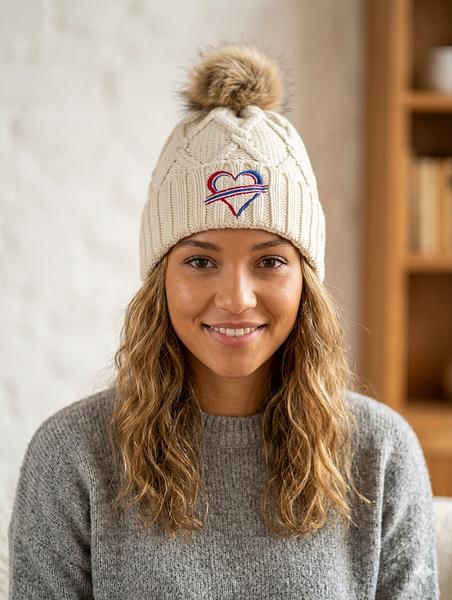
Embroidery is a strong match when you need lasting uniforms, executive apparel, durable team outerwear, structured caps, or a polished left-chest logo. It is also a smart choice for Buffalo-themed headwear and streetwear where the texture of the stitching is part of the product, not just a way to display the design.
When Heat Transfer Makes More Sense
Heat transfer is built for artwork that embroidery cannot reproduce efficiently. Full-color logos, photos, gradients, intricate illustrations, and designs with small color details can be printed with much better accuracy than they can be stitched. If your logo includes tiny elements that would disappear in thread, a transfer protects the original look.
It is also useful when the design needs to stay light and flexible. Names and numbers on athletic jerseys, event graphics on T-shirts, and branding on moisture-wicking apparel are common examples. A large embroidered design across the back of a performance shirt would be heavy and uncomfortable. A properly selected heat transfer keeps the garment more wearable.
For short-run events, heat transfer can be efficient as well. A family reunion, fundraiser, tournament, bachelor or bachelorette party, or staff event may need individual names, changing numbers, or several versions of the same graphic. Transfers make that personalization straightforward without creating a separate embroidery setup for every variation.
Heat transfer is not one generic product, though. Material quality, application temperature, pressure, and garment compatibility all affect the final result. Cheap transfers may crack, lift, or fade sooner than expected. A quality transfer applied correctly can provide reliable wear, but it still sits on the surface of the garment and will not have the same dimensional, stitched character as embroidery.
Best uses for heat transfer
Choose heat transfer for detailed full-color graphics, lightweight athletic apparel, jersey names and numbers, short-run event shirts, and logos that need to reproduce precise color transitions. It is particularly useful when the design itself is the centerpiece rather than a subtle uniform mark.
Durability Depends on the Garment and Care
The phrase "embroidery lasts longer" is generally true, but it needs context. Thread is integrated into the fabric, so it is less likely to peel or crack. On a durable polo, fleece jacket, or work shirt, quality embroidery can outlast the useful life of the garment itself.
Transfers can last well too, especially when matched to the right fabric and cared for properly. Turn garments inside out before washing, use cold or warm water, avoid harsh bleach, and skip high dryer heat when possible. High heat is especially hard on many transfer films and adhesives.
Garment construction matters as much as decoration. A thin, stretchy fabric may distort under dense embroidery, while a coated or heat-sensitive fabric may not accept every transfer type. Before committing to a large order, consider the fabric content, garment weight, stretch, and intended wash routine. A method that looks perfect on a cotton tee may not be right for a nylon jacket.
Cost Is More Than the Price Per Logo
Heat transfer may have a lower entry cost for small, full-color jobs because it does not require the same digitizing work as embroidery. It can also be economical for variable data such as individual names and numbers. For an event tee worn once or twice, that may be the sensible choice.
Embroidery often has upfront digitizing costs, and stitch count affects production cost. Larger designs, more colors, and dense fill areas require more machine time. However, for professional uniforms that will be worn weekly, embroidery can offer better value because the finished piece remains sharp longer and carries a more premium appearance.
Order volume changes the conversation too. A small run of complex full-color shirts may favor heat transfer. A recurring uniform program with polos, jackets, and hats may favor embroidery for consistency and longevity. If employees will represent your company in the field, paying for the decoration that supports your brand is usually worth more than saving a few dollars on each garment.
How to Choose for Your Next Order
Think first about where the logo will live. A left-chest mark on a polo, a front panel on a cap, or a logo on a jacket sleeve usually points toward embroidery. A large back graphic, a detailed sponsor design, or a name-and-number layout usually points toward heat transfer.
Then consider the artwork. Simple logos with bold lettering translate beautifully into thread. Designs with fine print, gradients, photos, or many colors typically need heat transfer to stay accurate. Finally, consider the wearer. If the garment is for office staff, sales teams, or customer-facing crews, embroidery sends a durable, polished message. If it is for a 5K, tournament, or one-day promotion, a quality transfer may be the more practical answer.
The best custom apparel does not force one method onto every garment. Match the decoration to the fabric, the artwork, and the work the item has to do. That approach gives your team apparel a better chance of looking good long after the first wear.