12 Hometown Apparel Examples That Get Worn
Share
A great hometown shirt is not just a shirt with a city name across the chest. The best hometown apparel examples give people a reason to wear it again after the event, season, or promotion is over. They feel specific to the place, hold up to regular use, and look good enough to become part of someone’s weekly rotation.
For businesses, teams, and organizations, that matters. Local apparel can build recognition without looking like a disposable giveaway. Whether the final piece is embroidered outerwear, a retail-ready hat, or a printed event tee, the design needs to represent the community and the standards behind your organization.
Hometown Apparel Examples for Businesses and Teams
1. The neighborhood business work shirt
A local contractor, restaurant, auto shop, or service business can turn everyday uniforms into community-facing apparel. Start with a clean embroidered logo on the left chest, then add a town name, neighborhood, or county mark on the sleeve or upper back.
This works especially well on polos, quarter-zips, button-down work shirts, and durable jackets. Keep the embroidery readable from a few feet away. Tiny lettering and overly detailed artwork can get lost in thread, while a simplified mark with high-density stitching stays sharp through repeated washing.
2. The city pride hat
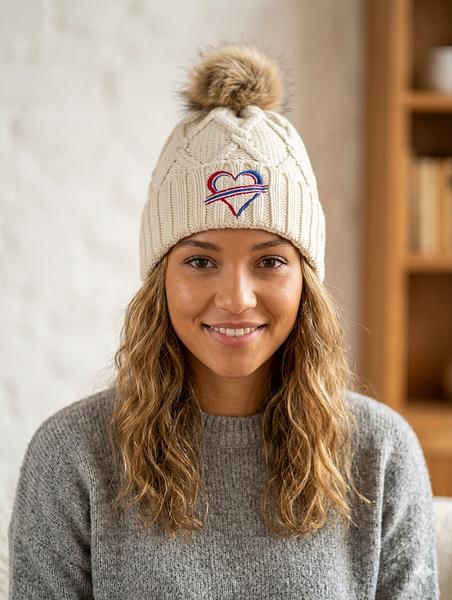
Hats are among the strongest hometown retail items because they fit into daily life. A structured cap with a stitched city abbreviation, area code, neighborhood name, or recognizable local phrase gives customers a subtle way to show where they are from.
A raised 3D puff design can create a bold look for short lettering. Flat embroidery is usually the better choice for detailed logos, curved type, or small icons. The trade-off is simple: a more intricate design may look great on paper, but it needs enough space and contrast to stay clean on a cap front.
3. The brewery, coffee shop, or restaurant crewneck
Hospitality brands have a natural advantage: regular customers often want to take a piece of the place home. A heavyweight crewneck with a small front chest logo and a larger hometown graphic on the back can feel like real merchandise, not staff uniform leftovers.
Use the local connection with purpose. A city street grid, regional landmark silhouette, vintage block lettering, or a well-known local saying can work when it fits the business identity. Avoid decorating every available surface. One memorable back graphic and a clean front hit are usually enough.
4. The company volunteer-day tee
Volunteer days, cleanups, charity runs, and community partnerships deserve apparel people want to keep. Instead of a sponsor wall that overwhelms the back of a shirt, lead with the event name and location. Place supporting sponsors in a smaller, organized layout.
Choose a shirt weight that matches the job. Lightweight cotton may suit a summer walk, while a soft but heavier cotton blend gives a fall cleanup or staff event more value after the day ends. If the event happens annually, create a consistent visual system while updating the year and location.
5. The youth sports sideline hoodie
Parents, players, and coaches need gear that works on cold bleachers, in parking lots, and during early practices. A team hoodie should prioritize legibility and durability over complicated graphics. A mascot or monogram on the front with the town or league name underneath is often all it needs.
For team gear, embroidery shines on coaches’ jackets, fleece, and caps. Printed hoodies and tees are often more practical for larger player and parent orders. Mixing the methods gives each item the right finish instead of forcing one decoration style onto everything.
6. The local tournament shirt
Tournament apparel can become collectible when it marks a real local tradition. Think summer softball weekends, hockey invitationals, fishing derbies, golf outings, or school fundraisers. Add the event name, hometown, and year, but keep the main graphic bold enough to read from a distance.
A shirt people wear later should not look crowded. Use one strong color palette, a clear type hierarchy, and artwork that matches the activity. A fishing event can support a more illustrative design; a corporate golf event may call for cleaner, more restrained branding.
7. The hometown retail tee
The retail tee is where local identity can be more expressive. Buffalo-themed apparel, for example, can use sports energy, winter toughness, neighborhood references, regional food culture, or classic typography without needing to explain the joke to everyone outside Western New York.
The strongest designs do not chase every trend. They choose one idea and make it wearable. A small chest emblem paired with a bold back print, or a single centered front graphic on a quality heavyweight tee, can carry more impact than a shirt filled with competing slogans.
8. The employee anniversary jacket
Years-of-service apparel should look like an earned piece, not a standard promo item. A durable soft-shell jacket, vest, or fleece with a company logo on the chest and a subtle hometown detail creates an item employees can use at work and off the clock.
Consider personalizing it with a name, department, or service milestone. This is one of the best uses for embroidery because the finish feels permanent and professional. It also makes more sense than screen printing on garments expected to see years of wear.
9. The school or alumni quarter-zip
Schools and alumni groups often lean too heavily on oversized crests and long lines of text. A better approach is a clean embroidered initial, mascot, or school mark on a quarter-zip, polo, or jacket. Add the town name only where it adds meaning.
This style works for faculty, booster clubs, alumni boards, and reunion committees. Use garment colors that match the institution without making the piece feel like a costume. Navy, charcoal, black, and heather gray often get more repeat wear than a bright color reserved only for game day.
10. The real estate or local service welcome gift
A polished welcome gift can help real estate teams, financial offices, and local service providers stay memorable after a transaction. A premium tote, embroidered blanket, cap, or quarter-zip with a tasteful community reference feels more useful than another generic branded item.
The branding should be present, not dominant. Clients are far more likely to use apparel that represents their new neighborhood or hometown than a large logo that turns them into a walking advertisement. Small chest embroidery or a discreet woven label approach is often the better call.
11. The employee family-day shirt
Company picnics and family days are a chance to show the local side of a business. Include the business name, event year, and location, then give the artwork a relaxed, family-friendly feel. A simplified landmark, local park reference, or city skyline can make the shirt feel rooted rather than generic.
Order enough sizes for real people, including youth options when families are invited. Better sizing and better garment quality create a better impression than a complicated graphic ever will. Staff notice when the apparel has been chosen with care.
12. The limited-run hometown collection
A limited run creates urgency, but only when the product has a clear reason to exist. It could mark a local sports moment, a neighborhood festival, a seasonal tradition, or a collaboration with a nearby business. Keep quantities controlled and the design focused.
This is where premium blanks, detailed embroidery, and distinctive headwear can justify a higher price point. At We Sew It Buffalo, the goal is not to compete with bargain-bin souvenir apparel. It is to make hometown gear with the weight, stitching, and finish that people recognize as worth keeping.
Choosing the Right Decoration Method
The method should follow the garment and the intended use. Embroidery is ideal for polos, jackets, hats, workwear, and staff apparel where a dimensional, durable finish matters. It communicates permanence and gives a logo a more polished feel.
Screen printing is often the smarter option for large event runs, colorful artwork, and tees where a broad graphic is the main feature. Heat-applied decoration can serve certain names, numbers, and short-run needs, but it is not always the best match for premium retail apparel. The right choice depends on quantity, garment type, art detail, budget, and how often the item will be worn.
Make Local Pride Worth Wearing
Before approving artwork, ask one direct question: would someone wear this when they are not required to? If the answer is yes, the design has a chance to work beyond the first handout. Choose a quality garment, give the hometown reference room to breathe, and build the piece around the people who will actually put it on.